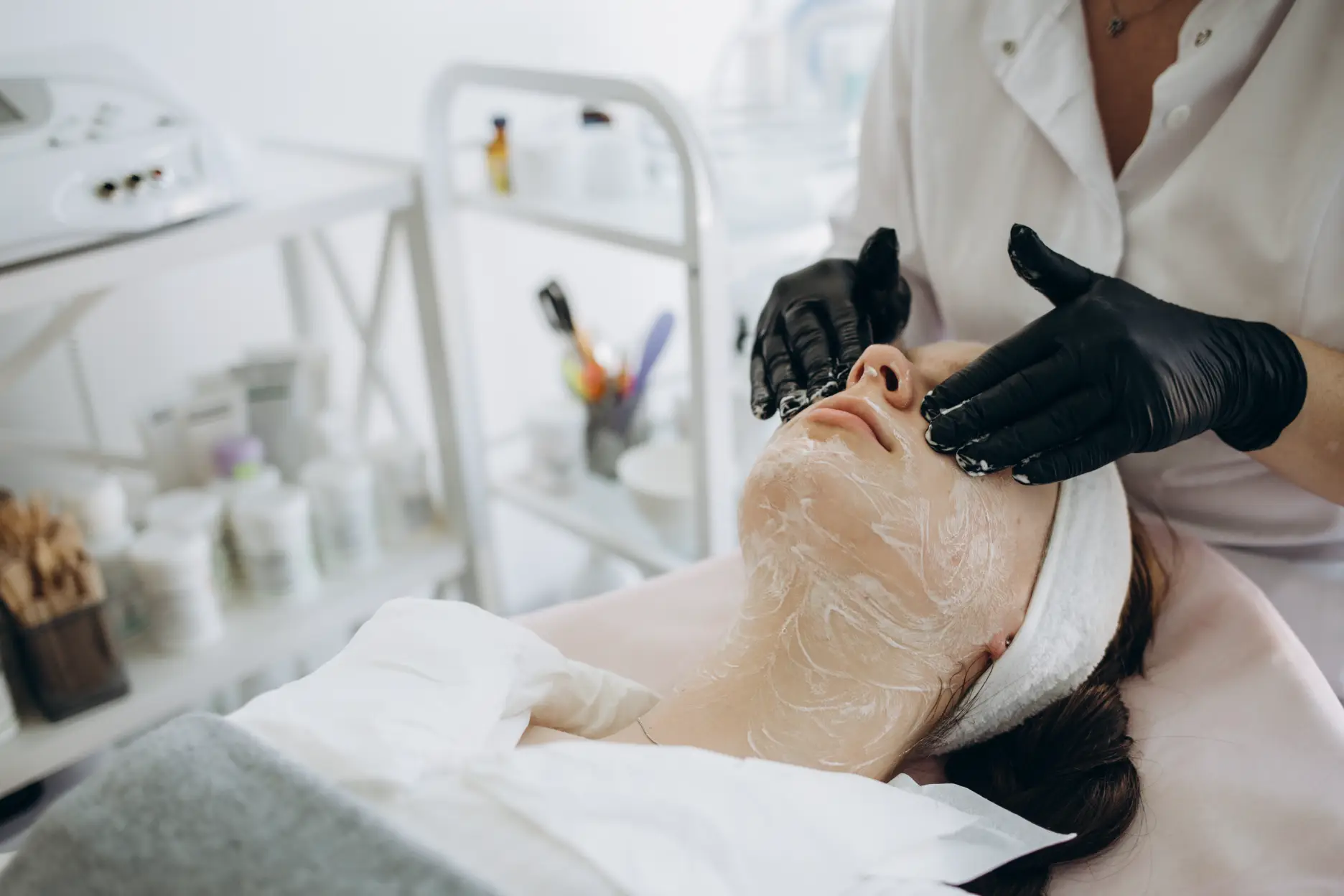
The pH of a chemical peel helps determine how strong the peel is, how deeply it works in the skin, and how your skin responds afterward. In simple terms, a lower pH usually means a more active peel with deeper penetration and stronger exfoliation. That is why pH plays a critical role in chemical peel treatments, especially when targeting skin resurfacing and anti-aging results.
At Spruce Medical Aesthetics, understanding how pH influences chemical peel performance is part of creating treatments that are both effective and tailored to your skin. When peel strength, depth, and safety are carefully balanced, the result is smoother, more refined skin without unnecessary irritation or risk.
What is pH in Chemical Peel Treatments?
pH is a measure of how acidic or alkaline a substance is. The scale runs from 0 to 14, with lower numbers being more acidic, higher numbers being more alkaline, and 7 considered neutral. In professional chemical peels, this matters because the acidity of the solution affects how active the acid is once it touches the skin.
Your skin naturally has a slightly acidic surface, often called the acid mantle. This helps support skin barrier function, defend against irritation, and maintain a healthy balance. Chemical peels work by temporarily shifting that balance so the treatment can loosen dead skin cells, increase exfoliation, and encourage skin renewal.
Why pH Matters in Chemical Peels
When it comes to med spa chemical peels, pH is one of the key factors that controls performance. A lower pH means the solution is more acidic, which usually makes the peel more active. That stronger activity helps break down the bonds between surface skin cells more effectively, which is what drives exfoliation and peel depth.
This is why pH affects:
- peel strength
- depth of penetration
- exfoliation intensity
- potential irritation
In practical terms, pH controls how aggressively the peel works on your skin. That directly influences whether a treatment behaves more like a superficial chemical peel or something closer to a medium depth chemical peel.

pH vs Acid Percentage: The Most Misunderstood Part of Peel Strength
One of the biggest misconceptions in skin resurfacing is that a higher acid percentage always means a stronger peel. It does not. Percentage tells you how much acid is in the formula, but pH helps determine how active that acid actually is on the skin.
That means a peel with a lower acid percentage can still be stronger if its pH is lower. This happens because lower pH increases the amount of free acid available to work on the skin. In other words, percentage tells you how much acid is present, while pH tells you how powerfully that acid may behave.
Buffering also matters. A buffered peel has an adjusted pH that slows the rate of reaction, which can make treatment gentler and more controlled. That is one reason why professional selection matters so much. A formula is not just about what acid is used, but how it is balanced for safety and effectiveness.
pH vs Peel Strength
| Factor | What It Means | Impact on Skin |
| Low pH | High acidity | Deeper penetration, stronger resurfacing |
| High pH | Lower acidity | Gentler exfoliation, milder skin response |
| High acid percentage | More acid in the formula | Not always stronger without low pH |
| Buffered peel | Controlled activity | Smoother, more gradual treatment effect |
pH Levels in Different Types of Chemical Peels
Different peel depths are tied to different levels of acidity and penetration.
Superficial Chemical Peel
A superficial chemical peel works more lightly on the outermost layers of the skin. These peels are often chosen for dullness, mild acne, early fine lines, and gentle brightening. Because they work more on the surface, they are commonly associated with milder exfoliation and less downtime.
Medium Depth Chemical Peel
A medium depth chemical peel penetrates further and is used for more visible texture concerns, wrinkles, pigmentation, and broader anti-aging chemical peels goals. The greater activity and deeper reach can produce more noticeable skin resurfacing, but also require more careful professional planning.
This is where pH becomes especially important. The lower the pH, the more likely the peel is to move beyond simple surface exfoliation and into deeper skin resurfacing chemical peels territory.
How pH Affects Your Skin Results
The role of pH is not just chemistry for chemistry’s sake. It shapes what you actually see in the mirror after treatment. When a peel is matched correctly to your skin, it can support:
- smoother texture
- brighter tone
- increased cell turnover
- refined appearance of fine lines
- more even-looking skin
- improved overall skin rejuvenation
Peels can also support collagen-related renewal, especially when the treatment creates a controlled response in the skin. This is one reason anti-aging chemical peels and professional chemical peels remain popular for non-surgical skin rejuvenation.
Why Lower pH Is Not Always Better
A stronger peel is not automatically the better peel. Lower pH increases activity, but that also increases the chance of irritation, redness, barrier disruption, and unwanted skin response if the peel is not right for your skin type or concern.
This is especially important for sensitive skin, first-time peel patients, or anyone dealing with barrier weakness. Stronger is only better when it is appropriate. Good results come from choosing the right balance of pH, peel depth, formulation, and skin tolerance.
Post-peel recovery matters too. Because peels temporarily disrupt the skin’s acidic balance, proper aftercare and professional guidance help support recovery and restore comfort.
Why Professional Chemical Peels Matter
This is exactly why professional chemical peels matter more than guessing based on acid percentage alone. A skilled provider does not choose a peel by label hype. They assess your skin type, goals, sensitivity, barrier health, and the type of result you want to achieve.
At Spruce Medical Aesthetics, chemical peel selection should be guided by skin science, not trial and error. Whether the goal is gentle brightening, smoother texture, or a stronger resurfacing approach, the treatment should match your skin, not just the bottle.
That is also one of the key differences between med spa chemical peels and at-home products. Professional treatments are selected and applied with more control, more customization, and greater attention to safety.

Choosing the Right Chemical Peel for Your Skin
The right peel depends on more than one factor. Skin sensitivity, visible concerns, treatment goals, and prior experience all matter. Someone seeking mild brightening may benefit from a more superficial approach, while another person focused on texture, wrinkles, or more advanced rejuvenation may need a deeper strategy.
That is why a consultation matters. It helps determine the right balance of peel depth, activity, and skin tolerance so the treatment works with your skin instead of against it.
Expert Chemical Peel Treatments at Spruce Medical Aesthetics
If you are considering chemical peel treatments, understanding pH is a smart place to start, but choosing the right peel should never be guesswork. At Spruce Medical Aesthetics, professional assessment helps match peel strength, depth, and skin goals for safer, more effective resurfacing.
Schedule a consultation to find the right peel for your skin and your long-term treatment plan.
Frequently Asked Questions
What does pH mean in chemical peels?
pH measures how acidic a peel is. Lower pH usually means a stronger, more active peel with deeper penetration.
Is a lower pH chemical peel always better?
No. Lower pH can increase peel strength, but it can also raise the risk of irritation if it is not appropriate for your skin.
What is the difference between pH and acid percentage?
Acid percentage tells you how much acid is in the formula. pH helps determine how active that acid is on the skin.
What is a superficial chemical peel?
A superficial peel works more lightly on the outer layer of the skin and is often used for mild texture, dullness, and early fine lines.
Are professional chemical peels safer than at-home peels?
Professional treatments are selected and monitored based on your skin type, concerns, and tolerance, which helps improve both safety and results.
How do I choose the right peel?
The best way is through a consultation that evaluates your skin, goals, and treatment history before selecting peel depth and strength.