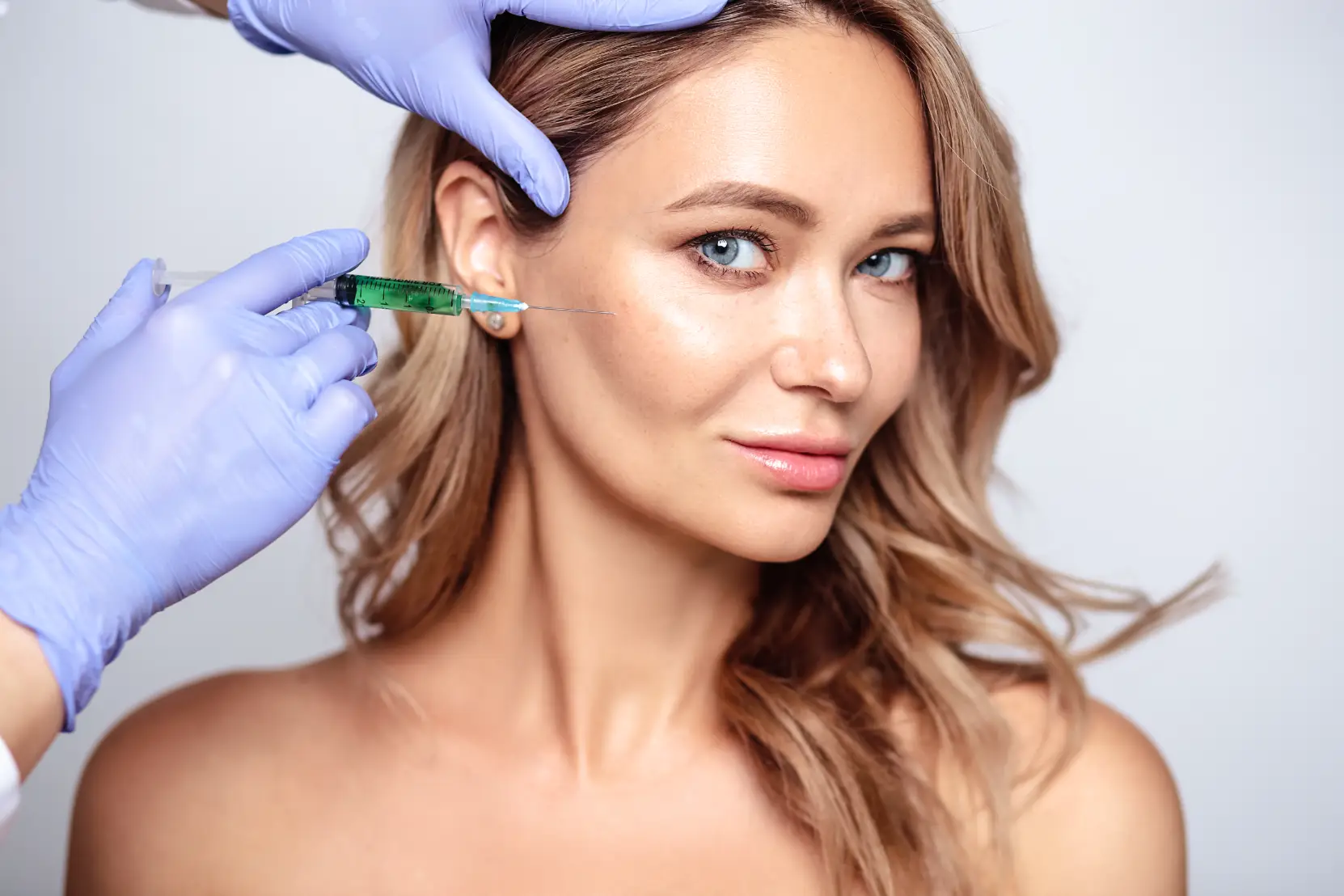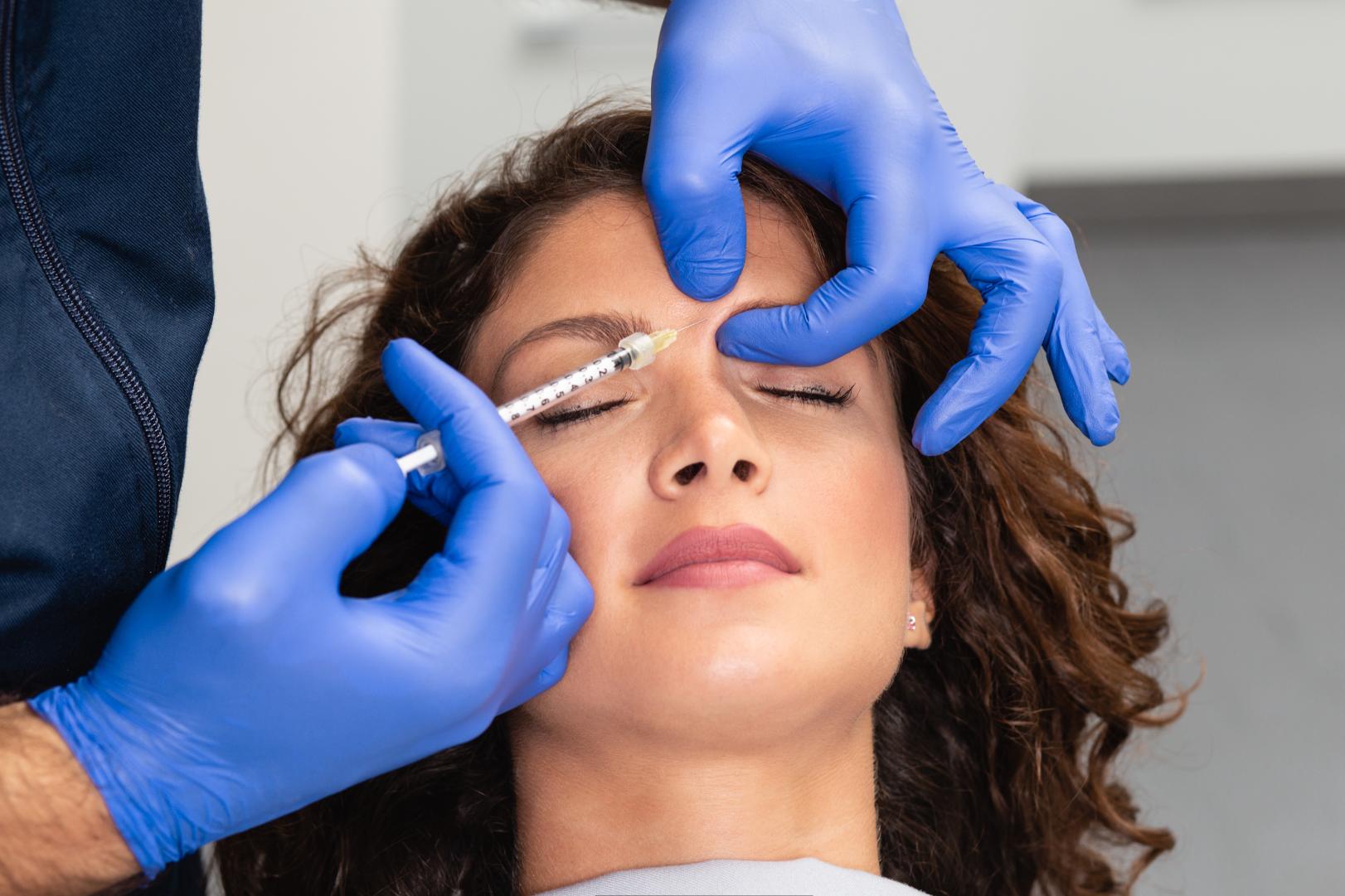
The holiday camera roll can put familiar signs of aging in a new light. Maybe forehead creases look more noticeable, or frown lines linger after your expression changes. Botox can soften certain expression lines by temporarily reducing the muscle activity behind them.
Before you squeeze an appointment between shopping and dinner plans, take a moment to choose your care. A thoughtful appointment starts well before the first injection.
Continue reading for seven Botox red flags to recognize, plus practical tips for making an informed holiday treatment decision.
What to Know Before Getting Botox
Beautiful photos and seasonal offers tell only part of the story. Pay attention to how a practice answers your questions, explains treatment, and responds when you need more time. These seven warning signs can help you decide whether to keep the appointment or keep looking.
1. Credentials Are Vague
Your injector’s qualifications should be easy to discuss. If you cannot get a full name, professional license information, or a clear explanation of their training, pause before proceeding.
When deciding what to look for in a Botox provider, start with an active healthcare license and relevant injection training. State licensing websites may let you verify a clinician’s status. A certificate from an injection course does not replace a professional license or permission to practice within state rules.
Experience matters, too. Ask how often the injector treats your area of concern and how they handle complications. Someone should be able to explain their role and the medical oversight involved without making you feel awkward for asking.
The setting also deserves attention. A festive atmosphere is lovely, but injections belong in an appropriate healthcare setting. A living-room party or nonmedical salon should raise concerns. Professional surroundings alone do not prove good care, either, so keep checking the details behind the decor.
Before-and-after photos can help you discuss an injector’s approach. Ask whether they show that provider’s own patients and look for comparable lighting and expressions. A heavily filtered image or a smiling “after” paired with a frowning “before” tells you less than you might think.
2. Your Health Review Is Rushed
A consultation should make room for your health history. If the conversation jumps straight from your forehead to the payment screen, something important is missing.
Useful Botox consultation questions include whether your medications, previous injections, or medical conditions affect treatment. Bring the names and dates of any recent botulinum toxin treatments. Mention prescription medicines, supplements, allergies, and prior reactions. Muscle or nerve conditions and breathing or swallowing problems also need discussion.
Botox should not be injected into an infected treatment site. A known allergy to a botulinum toxin product or its ingredients is another reason not to proceed. Tell your provider if you are pregnant or breastfeeding, because available safety information is insufficient.
You should also have time to explain previous facial surgery or concerns about drooping eyelids. Never stop prescribed medication on your own to prepare for an appointment.
A consultation and treatment may happen during the same visit when appropriate. The warning sign is a skipped or superficial assessment. You deserve enough time to understand whether the proposed treatment suits you.
3. The Product Is a Mystery
You should know exactly what is going into your treatment. “It’s basically Botox” is not a clear answer, because Botox is a specific brand, not a name for every wrinkle relaxer.
Among the questions to ask before Botox are the product’s name, whether it is FDA approved, and whether it came from an authorized source. The FDA has warned about illegally marketed and unapproved botulinum toxin products. Authentic sourcing deserves attention even when a practice looks polished.
The CDC recommends asking the provider to draw the product from its labeled vial while you watch. Packaging alone cannot establish authenticity, however. A responsible provider should also be transparent about sourcing and documentation.
Keep brand differences in mind when comparing quotes. Units of Botox are not interchangeable with units of other botulinum toxin products, so a unit price alone cannot tell the whole story.
A low price is not proof of a counterfeit product. Still, an unusually attractive offer paired with evasive answers is a good reason to step back.
4. Nobody Studies Your Expressions
Your face deserves an actual assessment before someone proposes a treatment plan. An injector should observe your features at rest and in motion, then connect those observations to your goals.
For example, they may ask you to raise your eyebrows, smile, or frown. That conversation helps clarify which lines concern you and how much movement you would like to retain. Existing asymmetry, brow position, and previous treatment experiences deserve attention as well.
One of the signs of a good Botox injector is the ability to explain the proposed approach in language you understand. They should discuss what improvement may be realistic and where Botox has limitations. A promise to erase every line while changing absolutely nothing about facial movement deserves skepticism.
Some approved treatment areas have standardized dosing recommendations. Two patients receiving the same number of units is not automatically a problem. The concern is a plan offered without examining you or explaining why that plan makes sense for your face.
If the proposed area falls outside the product’s FDA-approved uses, ask the provider to explain that clearly. Off-label treatment is not automatically inappropriate, but you should understand the evidence, additional uncertainties, and alternatives before agreeing. That discussion belongs before the injection.
5. Instant Results Are Promised
A holiday invitation can make a quick appointment feel tempting. Be cautious when someone promises that treatment today will leave you looking exactly as hoped by tomorrow night’s party.
Botox develops gradually. For forehead lines, frown lines, and crow’s feet, the manufacturer describes early changes within one to two days and full results at 30 days. Individual experiences vary, and a quick appointment does not mean an instant outcome.
One of the more avoidable Botox mistakes is letting an event date dictate an unrealistic schedule. Discuss your plans several weeks ahead, particularly if this is your first treatment. That gives you space to consider the recommendation and understand when your provider wants to review the result.
Bruising or temporary swelling can also affect your plans. Nobody can promise that your skin will look completely untouched afterward. If your calendar is already packed, postponing treatment may be the more comfortable choice. A provider who says the timing is unsuitable is giving you useful information, even if it is not the answer you hoped for.
6. The Offer Comes With Pressure
A seasonal promotion can be appealing without becoming a reason to rush. Be cautious if a discount depends on skipping questions, adding unwanted treatment areas, or deciding before you understand the plan.
Learning how to choose a Botox provider includes noticing how they respond to your boundaries. You should be able to say, “I only want to discuss my frown lines,” without being pushed toward a longer list of changes. Treatment should reflect your priorities and an appropriate clinical assessment.
Ask for the expected total cost and what it includes. Clarify how follow-up visits are handled and whether additional assessments carry a charge. Clear information helps you compare options without guessing what the final bill might look like.
You are also allowed to leave a consultation without receiving injections. An informed decision may take a little time, especially when you are new to treatment. The best holiday offer is still optional, and a professional practice should respect that.
7. There Is No Follow-Up Plan
A good conversation includes what happens after you leave. If risks are brushed aside or nobody can explain how to get help, that is a reason to reconsider.
Bruising, redness, swelling, soreness, or headache can occur after injections. Eyelid or brow drooping can also happen. Seeing these effects does not automatically mean someone made an error, despite the dramatic stories often labeled Botox gone wrong online. What matters is receiving an honest explanation and appropriate assessment when something concerns you.
Before treatment, ask for written aftercare guidance and a reliable contact route. Find out who handles concerns during holiday closures and when a review would be appropriate. A review should assess your outcome; it should not automatically mean more injections.
Some symptoms require immediate help. Trouble breathing, swallowing, or speaking after treatment warrants emergency care. Call 911 rather than waiting for a callback from your injector.
The prescribing information warns that toxin effects can sometimes spread beyond the injection area, with symptoms appearing hours to weeks later. This warning is a reason to know the response plan, not to treat every small bruise as an emergency.
How to Avoid Bad Botox
Good preparation helps you participate in the appointment instead of trying to remember everything on the spot. Before your visit, make a short note on your phone with these details:
- Your main goal, such as softening a frown while keeping comfortable facial movement.
- Previous injection brands, treatment dates, and any effects you liked or disliked.
- Your current medication list and the dates of upcoming parties, travel, or family photos.
Bring those notes into the conversation, then pay attention to the response. Do the explanations make sense? Are you comfortable asking for clarification? You do not need to understand every technical term, but you should understand the proposed treatment, its limits, and your next steps.what to know before getting botox
If previous treatment details are hazy, request your records from that practice. Bring them along rather than relying on memory.
Put Thoughtful Care First
Your holiday refresh deserves a conversation that leaves you feeling informed. At Spruce Medical Aesthetics in Hershey, an injectable consultation includes discussing your goals, reviewing your medical history, and assessing facial anatomy.
Book a Botox consultation with our team to talk through your priorities and holiday schedule. We can explain treatment options and realistic expectations, giving you the information you need to decide whether this is the right time for you.