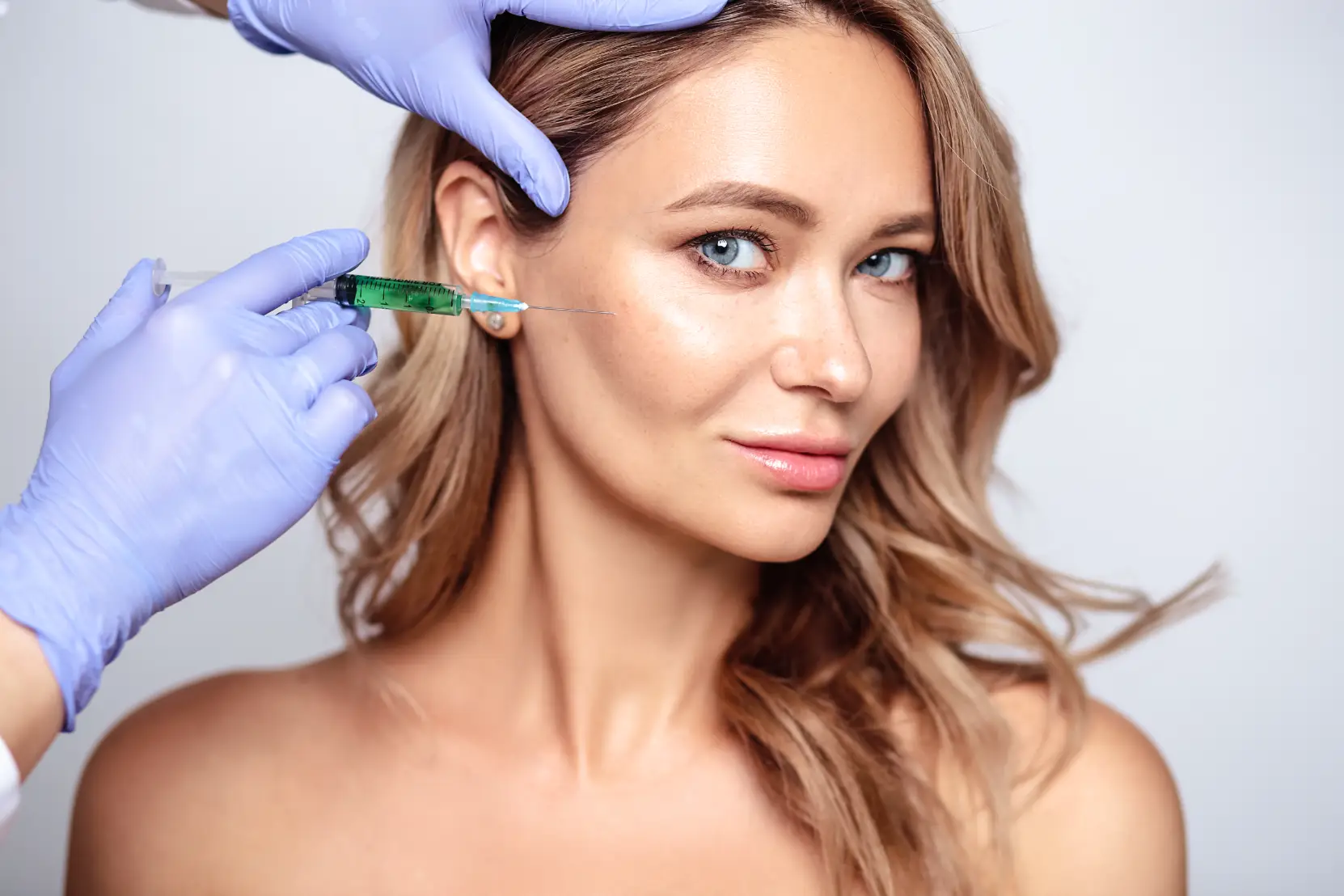
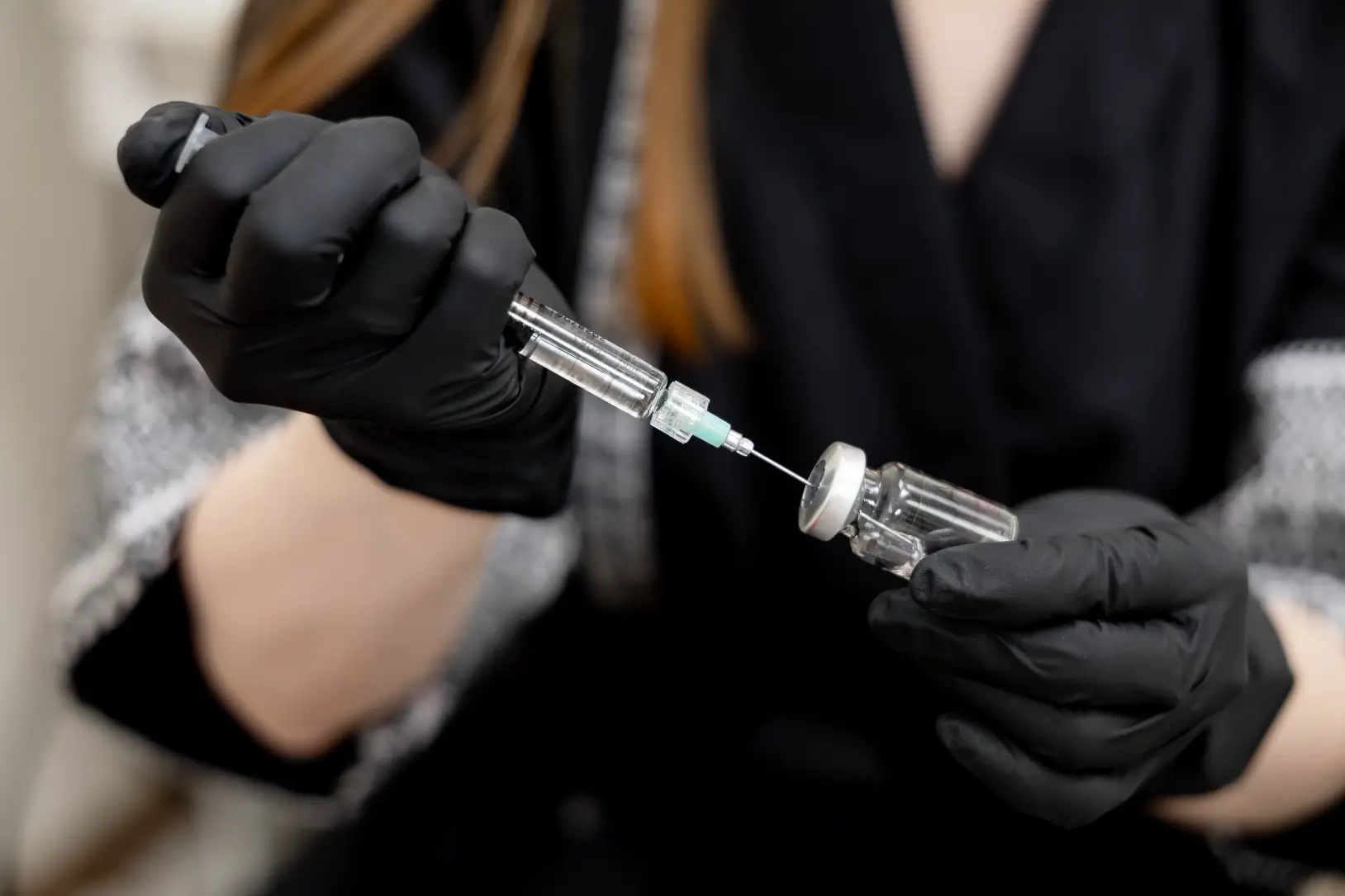
Botox works by temporarily blocking the nerve signals that tell targeted muscles to contract. Inside the neuromuscular junction, it reduces the release of acetylcholine, the chemical messenger responsible for muscle movement. As those muscle contractions decrease, the skin above them can begin to smooth, which is why Botox is widely used for fine lines, facial rejuvenation, and anti-aging.
At Spruce Medical Aesthetics, this science is translated into precise, personalized treatment.
What Is Botox? Understanding the Active Mechanism
Botox is a purified form of botulinum toxin type A, also called a neuromodulator. In aesthetic medicine, it is used in small, controlled doses to reduce the muscle activity that contributes to facial wrinkles. It does not add volume like filler. Instead, it works at the nerve-muscle level to soften repetitive movement in specific treatment areas.
That is why Botox is commonly used for botox for anti-aging, botox for facial rejuvenation, and botox for fine lines. The treatment is local and targeted, which means it is designed to affect selected facial muscles rather than the whole face. This targeted approach is a major reason Botox remains one of the most widely used non-surgical aesthetic treatments.
How Muscles Normally Create Wrinkles Before Botox
To understand Botox, it helps to understand how wrinkles form. Every time you raise your eyebrows, squint, or frown, your brain sends a signal down a motor nerve to a facial muscle. At the end of that nerve is the neuromuscular junction, where the nerve releases acetylcholine. Acetylcholine binds to receptors on the muscle fiber and tells the muscle to contract.
Over time, repeated muscle contraction creates dynamic wrinkles. These are the lines that appear with facial expression, especially on the forehead, between the brows, and around the eyes. As the same movements happen again and again, those folds can become more visible even when the face is at rest. That is why movement-driven lines often become the first focus in botox treatment areas.

What Happens Inside Your Muscles After Botox Injection
Once Botox is injected into a targeted area, it does not damage the muscle itself. Instead, it acts at the nearby nerve ending. First, the Botox molecule binds to the motor nerve terminal. Then it is taken into the nerve cell, where it interrupts the release machinery that normally sends acetylcholine out into the neuromuscular junction.
A deeper part of this science involves proteins called the SNARE complex, especially SNAP-25. These proteins help acetylcholine-containing vesicles dock and release their signal. Botox cleaves SNAP-25, which prevents acetylcholine from being released normally. Without that chemical message, the muscle cannot contract as strongly, so it relaxes.
That is the core of how Botox works: it interrupts nerve-muscle communication. The muscle is still there, but its activity is dialed down. This controlled reduction in movement helps soften the overlying skin and reduces the repetitive folding that contributes to fine lines. In properly planned treatment, the goal is not to erase all expression. It is to relax selected muscles enough to create smoother, more balanced facial movement.
Botox Results Timeline: Why Changes Are Not Instant
One of the most common questions in a botox consultation is why results are not immediate. The answer is biological. Botox needs time to interfere with acetylcholine release and reduce muscle activity. The effect builds gradually rather than all at once.
Most patients see little to no visible change in the first couple of days. Over the next several days, muscle contraction weakens. Full smoothing often develops over about one to two weeks. This gradual process is why the botox results timeline matters when planning for events, follow-up, and expectations.
Botox Treatment Areas Explained
Botox is most often used in areas where repeated facial movement creates dynamic wrinkles. Common botox treatment areas include:
- forehead lines
- frown lines between the brows
- crow’s feet around the eyes
These areas respond well because they are driven by muscle activity. When treatment is mapped correctly, Botox can reduce excessive motion in those zones while maintaining natural balance across the face.
Botox for Anti-Aging and Facial Rejuvenation
Botox is used for both corrective and preventative anti-aging. Corrective treatment softens lines that are already visible. Preventative treatment reduces the repetitive motion that can deepen those lines over time. That is why botox for anti-aging is not only about what you see today, but also about how facial movement affects future wrinkle formation.
For many patients, botox for facial rejuvenation works best as part of a long-term strategy. By reducing targeted muscle contraction, Botox can help the face look smoother, less tense, and more refreshed without surgery. Done well, the result looks controlled and natural rather than stiff.
Botox vs Dermal Fillers: Scientific Difference
Botox and fillers are both injectables, but they work very differently. Botox relaxes muscles by interrupting nerve signals. Fillers add volume and structural support in areas that have lost fullness. Scientifically, Botox targets movement, while fillers target space. That is why Botox is usually used for dynamic wrinkles and fillers are more often used for static lines or volume loss.

Safety, Precision, and Why Consultation Matters
Because Botox works at such a specific biological level, placement and dosing matter. Poor technique can affect nearby muscles and create unwanted results, which is why consultation is not just a formality. A thorough botox consultation should include facial assessment, review of muscle movement, discussion of treatment goals, and a customized injection plan.
At Spruce Medical Aesthetics, consultation-driven treatment planning helps connect the science of Botox to safe, refined outcomes. Understanding facial anatomy, muscle behavior, and treatment timing is what turns a neuromodulator into a precise anti-aging tool rather than a one-size-fits-all service.
Botox Mechanism Summary
| Step | What Happens | Visible Effect |
| Injection | Botox enters the targeted treatment area | No immediate change |
| Signal Block | Acetylcholine release is reduced | Muscle activity starts to decrease |
| Relaxation | The muscle contracts less strongly | Fine lines begin to soften |
| Recovery | Nerve signaling gradually returns | Movement slowly comes back |
Ready for a Botox Consultation at Spruce Medical Aesthetics?
If you want a clearer understanding of how Botox works and whether it fits your goals for fine lines, facial rejuvenation, or anti-aging, Spruce Medical Aesthetics can help.
Our consultation process is designed to explain the science, assess your facial movement, and build a personalized treatment plan around natural-looking results.
Frequently Asked Questions
How does Botox work inside the muscle?
Botox blocks the release of acetylcholine at the neuromuscular junction, which reduces the muscle’s ability to contract.
Does Botox freeze your face or relax muscles?
Botox relaxes targeted muscles. When placed correctly, it reduces excessive movement rather than freezing the entire face.
How long does Botox take to work?
Early changes often begin within a few days, with fuller results commonly appearing in about one to two weeks.
What areas can Botox treat?
Common treatment areas include forehead lines, frown lines, and crow’s feet.
Does Botox prevent wrinkles?
It can help prevent wrinkles from deepening by reducing repeated muscle movement over time.
How long do Botox results last?
Botox is temporary because nerve signaling gradually recovers, so results wear off over time.