
Under-eye circles can change the way patients feel about their entire face. They can make someone look tired after a full night of sleep, stressed when they feel calm, or older than they actually feel. For some patients, the concern is shadowing caused by hollowing.
For others, it is thin skin, discoloration, fine lines, puffiness, or a combination of several factors. That is why dermal fillers and PRF are both important options in under-eye rejuvenation. Fillers can help restore lost volume and soften hollow shadows, while PRF uses components from the patient’s own blood to support collagen, texture, and skin quality over time.
Continue reading to understand how both treatments work, where each one shines, and how to choose the approach that best matches your under-eye concerns.
What Are Dermal Fillers and PRF?
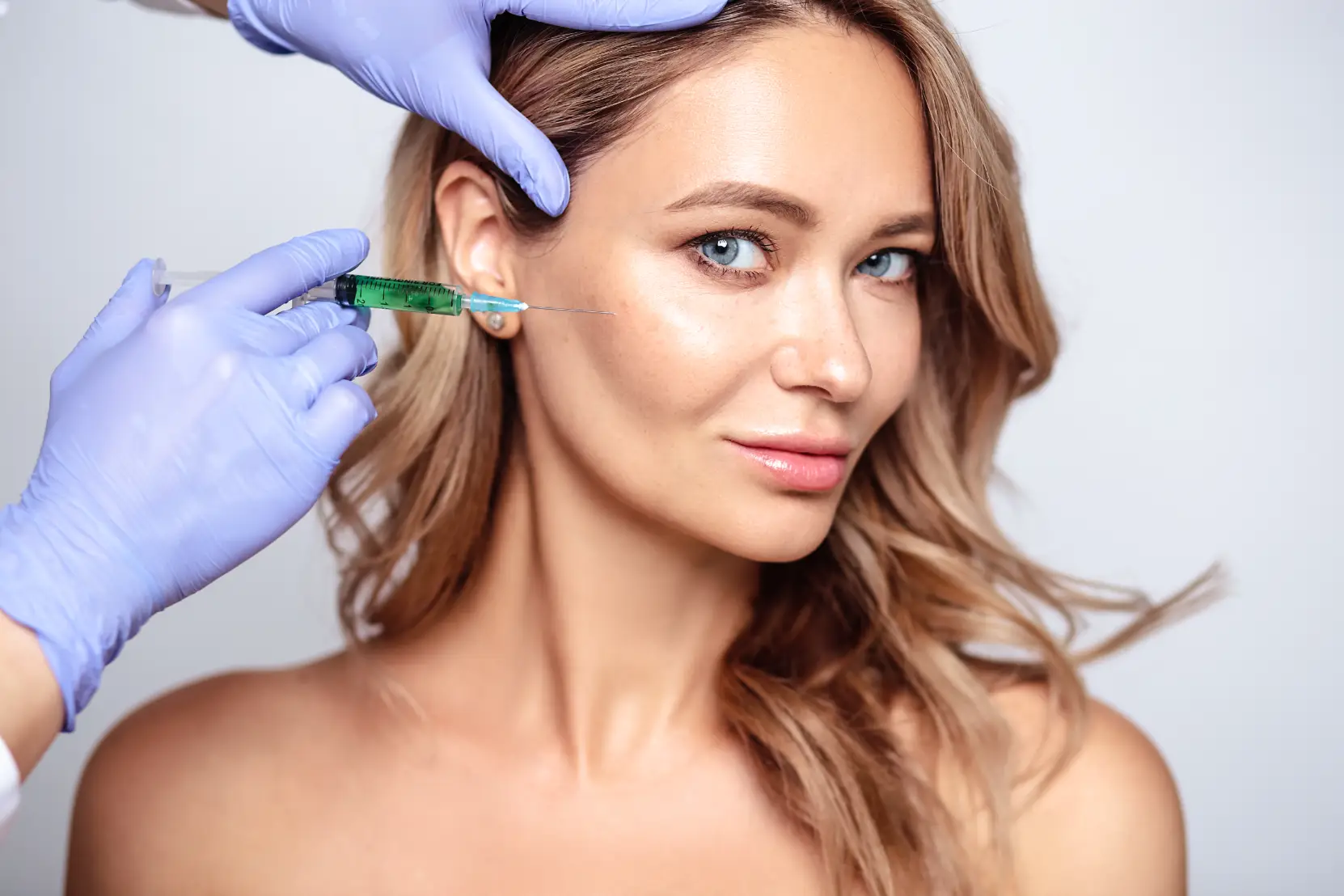
Before choosing between the two, it helps to understand what each treatment is designed to do. Dermal fillers are injectable treatments used to restore volume, smooth wrinkles, and enhance facial contours.
Many fillers are made with hyaluronic acid, a naturally occurring substance in the skin that helps retain moisture and elasticity. Hyaluronic acid fillers are commonly used because they can create soft, natural-looking volume when placed with precision.
PRF, or platelet-rich fibrin, is a regenerative treatment made from the patient’s own blood. A small blood draw is processed to concentrate platelets, fibrin, and healing components. When placed under the eyes, PRF can support collagen production, skin firmness, elasticity, and gradual improvement in texture.
Both treatments can be used as part of non-surgical facial rejuvenation, but they solve different problems.

The Real Difference
Under-eye treatment is not about picking the trendiest option. It is about identifying the cause of the darkness. If circles are mostly caused by hollowing or volume loss, an under-eye filler treatment may be the stronger choice.
If circles are caused by thin skin, texture changes, or poor skin quality, PRF may be the better fit. Some patients benefit from both, but timing and technique matter. The under-eye area is delicate, so the right treatment should be chosen with care, not guesswork.
1. Choose Filler for Hollow Shadows
Under-eye hollows can create shadows that look like dark circles. When volume is lost beneath the eyes or in the upper cheek, light hits the area unevenly. This can make the tear trough look deeper and darker, even if the skin itself is not discolored.
In these cases, injectable dermal fillers may help by restoring subtle support beneath the hollow. The goal is not to overfill the area. It is to soften the transition between the lower eyelid and cheek so the face looks more rested.
A conservative approach is essential. Too much filler under the eyes can look puffy or unnatural, so careful placement matters.
2. Choose PRF for Thin, Crepey Skin
PRF is often a strong option when the under-eye skin looks thin, delicate, or crepey. Because PRF supports collagen and tissue quality gradually, it can help improve the look of fragile skin over time. This makes it appealing for patients who do not necessarily need volume but want the area to look firmer, smoother, and healthier.
PRF does not create the same instant volume as filler. Instead, it works slowly with the body’s natural repair processes. For patients who want a more natural, regenerative approach, PRF may be an excellent starting point.
3. Consider the Type of Dark Circle
Not all dark circles are the same. Some are caused by anatomy. Some are caused by pigmentation. Some come from visible blood vessels beneath thin skin. Others are related to allergies, lack of sleep, dehydration, genetics, or facial volume loss.
This matters because filler will not erase pigment, and PRF will not dramatically replace deeper structural volume in the same way filler can.
A consultation helps determine whether the darkness is caused by:
- Hollowing
- Pigmentation
- Thin skin
- Puffiness
- Volume loss
- Vascular visibility
- Skin laxity
- Lifestyle factors
The right treatment depends on the cause.
4. Think About Immediate vs. Gradual Results
Fillers and PRF work on different timelines. Fillers provide visible volume correction right away, although swelling can take time to settle. Patients may see a more rested appearance soon after treatment, especially if hollowing was the main concern.
PRF results build gradually. Patients may need a series of treatments to see improvement in skin quality, firmness, and texture. The changes are subtle, but they can look very natural because they come from regenerative support rather than added product.
Patients who want immediate correction may lean toward filler. Patients who want long-term skin quality improvement may prefer PRF.
5. Consider Puffiness Before Choosing Filler
Under-eye puffiness needs a careful eye. If a patient already has prominent bags or fluid retention, filler may not be the best first choice. Adding volume to an area that is already puffy can sometimes make swelling look worse.
PRF may be considered when skin quality is the concern, but true under-eye bags may require a different treatment plan entirely. Sometimes surgical evaluation is more appropriate for significant fat pads or chronic puffiness.
This is why under-eye treatment should always begin with assessment. The wrong treatment can make a delicate concern more noticeable.
6. Look at the Cheeks, Not Just the Eyes
Many patients focus only on the under-eye area, but the cheeks play a major role. When cheek volume decreases, the under-eye area can look more hollow. In some cases, treating the cheek first creates better support and a more natural improvement than placing filler directly beneath the eyes.
This is where cheek augmentation fillers may be part of the discussion. A subtle cheek correction can lift and support the midface, making the under-eye area look smoother without overloading the tear trough. Facial balance matters. The under-eye area does not exist in isolation.
7. PRF Is Great for Patients Who Want a Natural Option
Some patients are hesitant about synthetic fillers near the eyes. PRF can feel appealing because it is created from the patient’s own blood. It does not add artificial volume in the same way filler does. Instead, it encourages the skin to improve gradually through collagen and tissue support.
This makes PRF especially attractive for patients who want subtle rejuvenation, have thinner skin, or prefer a regenerative pathway. The result is typically softer and slower, but that is often exactly what patients want.
8. Filler Is Better for Structural Volume Loss
When the main issue is actual volume depletion, filler may offer more predictable contour improvement. Hyaluronic acid filler can be placed strategically to restore smoothness and reduce shadowing. It is particularly helpful when the under-eye hollow is caused by anatomy or age-related volume loss.
However, under-eye filler is highly technique-dependent. The area requires conservative product selection, precise placement, and a clear understanding of facial anatomy. The best under-eye filler should look almost invisible. It should make patients look rested, not filled.
9. PRF and Filler Can Work Together
Some patients do not need to choose only one. PRF and filler can be used together in a thoughtful treatment plan. Filler may restore structural support, while PRF improves skin quality over time. The combination can be especially helpful for patients with both hollowness and thin skin.
Timing matters. A provider may recommend starting with PRF first, filler first, or spacing treatments apart depending on the patient’s anatomy and goals. The best plan is layered, not rushed.

10. Under-Eye Treatment Requires Precision
The under-eye area is one of the most delicate places to inject. Skin is thin. Vessels are present. Swelling can be more visible. Product choice and placement matter deeply. Patients should choose a provider who understands not only filler technique but also when not to inject.
This is especially important because the goal is subtle improvement. Under-eye rejuvenation should not make the face look different. It should make the patient look more awake, softer, and refreshed.
A More Rested Reflection
Under-eye circles can be frustrating because they often have multiple causes. That is why dermal fillers and PRF both deserve a place in the conversation. Filler can help restore support where hollowing creates shadows, while PRF can improve the quality of delicate under-eye skin over time.
At Spruce Medical Aesthetics, patients can explore dermal fillers and PRF through a personalized approach that matches the treatment to the true cause of tired-looking eyes. Whether the goal is subtle volume, smoother skin, or a more refreshed expression, the right plan begins with careful evaluation.
The best under-eye treatment is not the one everyone is talking about. It is the one that makes you look like you finally got the rest you feel you deserve. Contact us today to schedule your appointment!