
Most people who walk into a medical spa for the first time have already been to a day spa. They know what a facial feels like. They know the routine, cleanse, steam, mask, moisturize, leave feeling relaxed and a little glowy. And they’ve also noticed, at some point, that the glow fades. That the results, however lovely in the moment, don’t really accumulate. That six months of monthly spa facials has left their skin feeling well-maintained but not meaningfully changed as some anti-aging treatments will. Leaving them with the decision to visit a place like Spruce Medical Aesthetics in Hershey, PA for their next time. Here’s what’s actually different, and why it matters more than most people expect.
It’s Not About the Environment. It’s About What’s Legally Permitted There.
A common misconception is that the difference between a med spa and a day spa is mostly aesthetic — fancier equipment, more clinical decor, a higher price point. That’s not it.
The real difference is regulatory. A medical spa operates under physician oversight, which means the treatments available there are in a completely different category than what any day spa is legally permitted to offer. Injectables, medical-grade laser platforms, prescription-strength skincare, devices that work at the dermal level — none of these can be administered in a traditional spa setting. Not because the estheticians there aren’t skilled, but because the law appropriately requires medical oversight for treatments that work at that depth and carry that level of responsibility.
What this means for you as a patient: the treatments available at a medical spa aren’t just “stronger” versions of spa treatments. They’re categorically different interventions — designed to create structural change in the skin, not just improve how its surface feels for a few days.

The Skincare Product Gap Is Larger Than Most Realize
Here’s a detail that surprises a lot of people: the skincare products used and recommended in a medical spa setting are not available at any retail store. Not at a high-end department store, not at a specialty beauty retailer, not online through regular channels.
Medical-grade skincare formulations contain active ingredients — prescription-strength retinoids, high-concentration peptides, clinically validated growth factors — at concentrations that produce measurable change in the skin. Over-the-counter products are regulated to be safe for anyone to use without professional guidance, which means those actives are diluted to a level that significantly limits their clinical impact.
This is why the same ingredient — retinol, for example — can appear in both a pharmacy moisturizer and a medical-grade formulation, and produce completely different results. The molecule is the same. The concentration, the delivery system, and the clinical context are not.
When a provider at Spruce Medical Aesthetics recommends a home care protocol alongside your in-office treatments, the products supporting those recommendations are doing real clinical work between appointments — not just maintaining hydration.
What Injectables Actually Require — And Why the Setting Matters
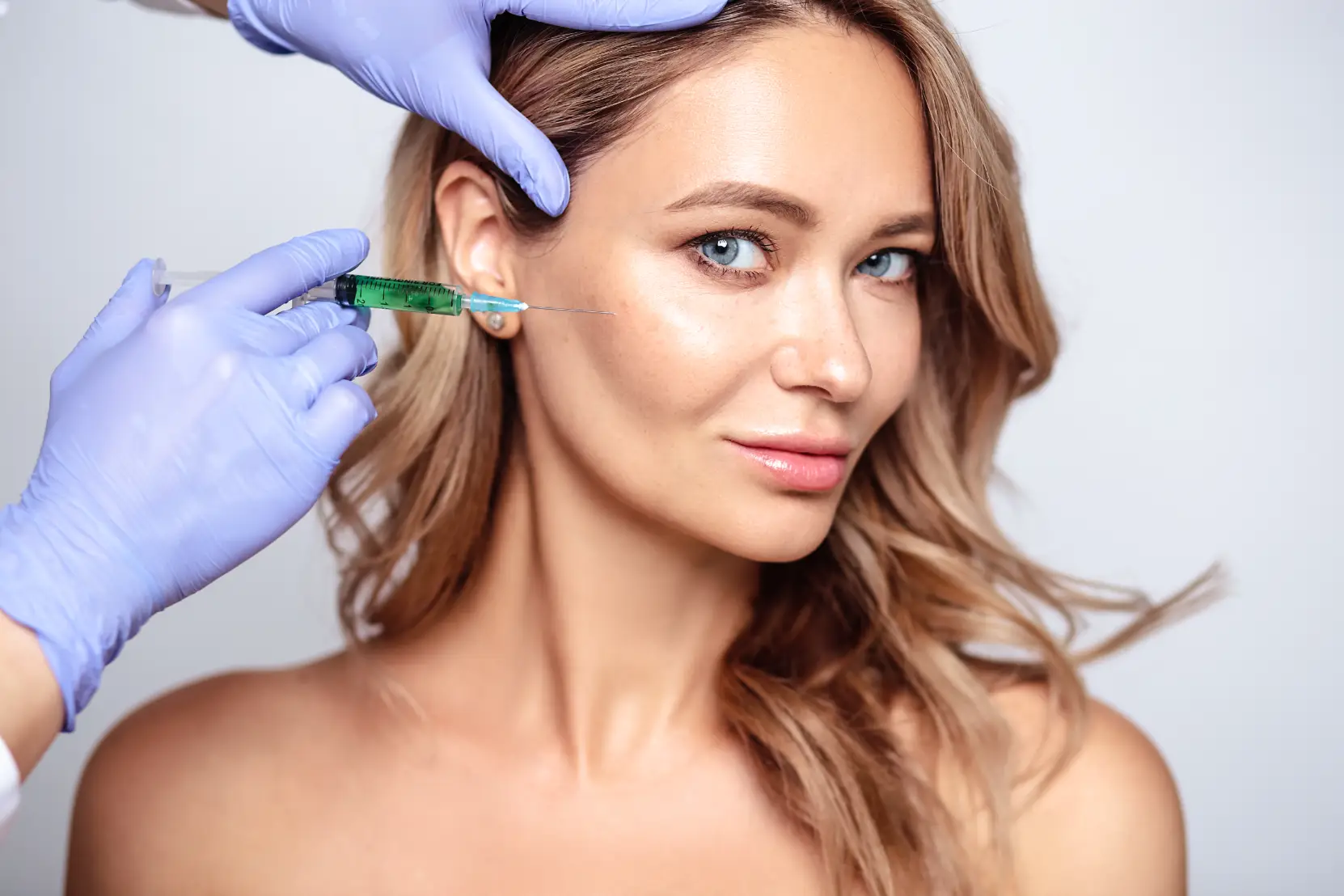
Cosmetic injectables are among the most requested services at any modern aesthetic clinic, and for good reason. Neuromodulators like Botox and Dysport address dynamic lines with remarkable precision. Dermal fillers restore volume, lift contour, and can reverse years of structural change without a single incision.
But here’s what the marketing around injectables doesn’t always say clearly: the result has very little to do with the product in the syringe. It has almost everything to do with the hand holding it.
Injectable treatments require an intimate understanding of facial anatomy — not just where things are, but how they move, how they age, and how they interact with surrounding structures. A skilled injector at a medical spa plans treatment with aesthetic intent: not just filling a line or relaxing a muscle, but understanding how that change will look in the context of the whole face, in motion, in different lighting. That level of clinical thinking is what separates a result that looks refreshed from one that looks done.
The physician oversight structure of a medical spa is what makes this level of expertise the standard rather than the exception.
The Treatments That Actually Create Change — Not Just Maintenance
Beyond injectables, what distinguishes a medical spa’s treatment menu is access to technology that operates at the structural level of the skin — the dermis, where collagen lives, where volume is built or lost, where the real work of aging happens.
Some of what that looks like at Spruce Medical Aesthetics:
- Microneedling and PRF: Controlled micro-injuries trigger the body’s collagen response from the inside out. When combined with Platelet-Rich Fibrin — a concentrate of the patient’s own healing proteins — the regenerative effect is meaningfully amplified. This is the kind of treatment that builds on itself over a series of sessions, producing cumulative improvement that feels genuinely different from maintenance.
- Medical-grade chemical peels: Not the light fruit acid peel available at a day spa. Clinical peels work at real depth, accelerating cellular turnover and addressing sun damage, hyperpigmentation, and uneven texture in ways that require professional application and aftercare.
- Laser skin rejuvenation: Pigmentation, vascular lesions, textural irregularities, and early laxity — laser platforms at a medical spa target these concerns with precision that at-home or spa-grade devices simply cannot deliver. The difference isn’t just intensity; it’s clinical control.
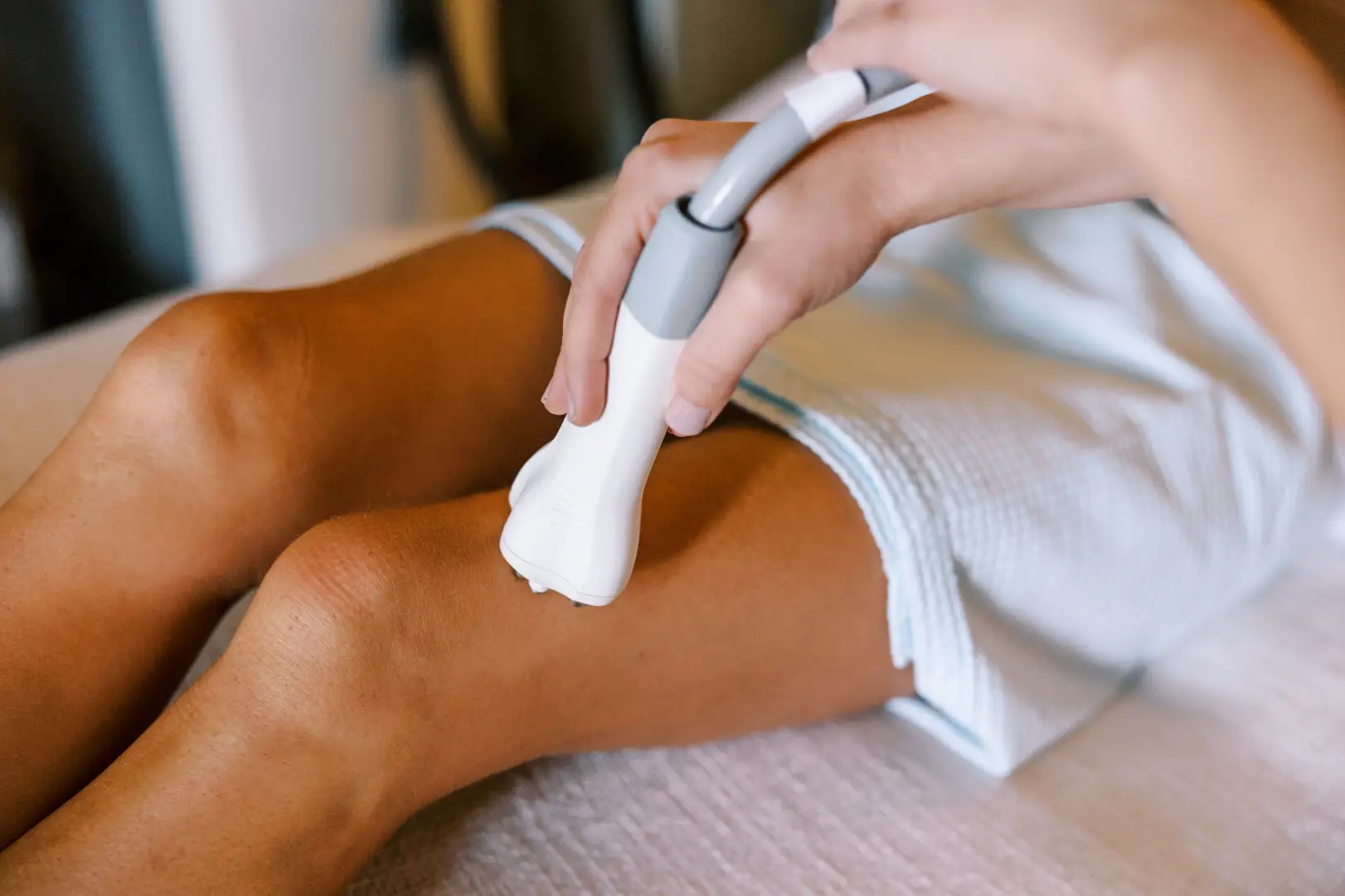
- Skin tightening: Energy-based technologies using radiofrequency, ultrasound, or laser reach the structural layers where tightening actually needs to happen. Results develop over weeks as new collagen forms — not a surface effect, but a real change in tissue density and lift.

The Most Important Difference: Personalization That’s Actually Clinical
Walk into a day spa and there’s a menu. You pick something. The esthetician delivers it.
Walk into a medical spa for the first time and the first thing that happens — before any treatment is recommended or scheduled — is a conversation. Your skin’s history. Your previous treatments and what they did or didn’t do. Your specific concerns. Your realistic expectations. Your lifestyle and how much time you can give to recovery if recovery is needed.
That conversation is what makes the difference between a treatment that looks right on a menu and a treatment that’s actually right for your skin. At Spruce Medical Aesthetics, no recommendation is made without it. The goal isn’t to fill a treatment slot — it’s to build a protocol that produces a result you’ll see in the mirror and want to maintain.
Why People Who’ve Tried Both Usually Don’t Go Back
The patients who tend to become long-term clients at a medical spa are often people who spent years doing the spa routine — loyally, consistently — and at some point admitted to themselves that it wasn’t doing what they needed. Not because the spa experience was bad. Because they wanted actual change, and change at that level requires clinical tools.
If you’ve been investing in your skin and wondering why the results don’t seem to compound, the answer might simply be that the tools available in the environment you’ve been using weren’t designed to produce what you’re looking for. A medical spa like Spruce Medical Aesthetics in Hershey, PA with anti-aging treatments available is. Schedule a consultation and find out what your skin is actually capable of when the right level of care is applied to it.