Table of Contents
It’s easy to feel overwhelmed by skincare treatments these days. Everyone seems to be talking about the next “quick fix,” yet many people still feel stuck with dull texture, stubborn acne, or pigmentation that just won’t budge. When creams and over-the-counter products only help for a short time, it makes sense to look for something that actually supports skin health from the inside out. That’s exactly why more people are turning to medical-grade facials, especially those who want noticeable improvements without going into anything invasive.
At Spruce Medical Aesthetics in Hershey, PA, these facials are designed to do more than provide a relaxing experience. They address deeper layers of the skin with real technology and professional formulas that help improve long-term skin quality. If you’ve been trying to understand how these treatments actually work, this breakdown gives you the clarity you’ve been looking for.
What Makes Medical Grade Facials Different?
Most traditional facials feel great and offer temporary benefits, but they usually stay at the surface. A professional facial treatment performed in a medical setting is completely different because it targets what’s happening beneath the surface. The products used are stronger, the techniques are more refined, and the results tend to last longer because the skin is encouraged to refresh itself instead of simply being cleansed.
A key difference is that a licensed aesthetic professional performs the treatment using formulas and tools that require training and experience. This allows the treatment to reach deeper layers of the skin, which is especially helpful for conditions such as breakouts, discoloration, and early signs of aging. This is also why many people who were once frustrated with their skin start seeing progress after switching to the best medical-grade facial for their needs.
How These Facials Work Beneath the Skin
Even though each facial is personalized, the science behind medical-grade facials follows a predictable pattern. The goal is to support cell turnover, encourage collagen renewal, remove buildup, and improve hydration. Here’s what typically happens beneath the surface during these treatments.
Cellular Renewal Begins With Advanced Exfoliation
Medical-grade facials often start by clearing away the layer of dead skin cells that prevents products from absorbing properly. This can be done with gentle acids, enzyme solutions, or microdermabrasion. When the buildup is removed, skin becomes smoother and more responsive to treatment. This step is also the foundation for a brightening medical facial, since uneven tone and dullness often begin with surface congestion.
Collagen Support Helps with Aging and Firmness
Many treatments incorporate methods that encourage new collagen production. Collagen is one of the proteins that help keep the skin firm, smooth, and resilient. Over time, collagen naturally decreases, which is why lines and laxity appear. With targeted treatments and professional-grade ingredients, the skin begins producing more collagen on its own. This is what makes an anti-aging medical facial helpful for those noticing fine lines or early sagging.
Deep Cleaning Clears Congestion at the Root
Anyone dealing with persistent breakouts knows that clogged pores don’t resolve overnight. A medical facial for acne focuses on cleaning congestion at the deeper level where blemishes begin. Tools, steam, extractions, and antibacterial techniques are used to clean pores in ways at-home routines can’t match. This reduces inflammation, calms active breakouts, and supports clearer-looking skin over time.
Light-Based Therapies Improve Tone and Clarity
LED therapy is commonly included in medical-grade facials because different wavelengths can help with inflammation, acne bacteria, and discoloration. This is especially supportive for those needing a medical facial for hyperpigmentation, since certain wavelengths target the areas where pigmentation collects. Over time, the skin appears more even and radiant.
Hydration Reaches Deeper Layers
Many people think dryness is only a surface problem, but true hydration needs to reach deeper layers of the skin. Medical-grade facials include serums and solutions that penetrate further than typical moisturizers. These formulas help the skin stay plump and supple long after the appointment, making the benefits of medical-grade facials noticeable throughout the week.
Why People Choose Medical Grade Facials for Specific Concerns
Different skin challenges respond well to medical facials because these treatments are adaptable. The approach is always customized based on what the skin needs that day. At Spruce Medical Aesthetics, each session is performed by a licensed master aesthetician, which ensures that every product and technique is chosen with purpose.
Anti-Aging Concerns
Those noticing texture changes, fine lines, or early sagging often see improvements after treatments that combine exfoliation, LED therapy, and collagen support. The result is smoother and more refreshed-looking skin without downtime.
Acne and Breakouts
People dealing with clogged pores, chronic breakouts, or texture concerns benefit from treatments that include exfoliation, deep cleaning, and acne-focused masks or serums. Over time, this helps reduce inflammation and supports more balanced skin.
Discoloration and Pigmentation
Excess sun exposure, hormonal changes, and breakouts can leave the skin with an uneven tone. A customized brightening approach helps fade the appearance of dark spots and supports a more uniform complexion.
What to Expect During Your Treatment at Spruce Medical Aesthetics
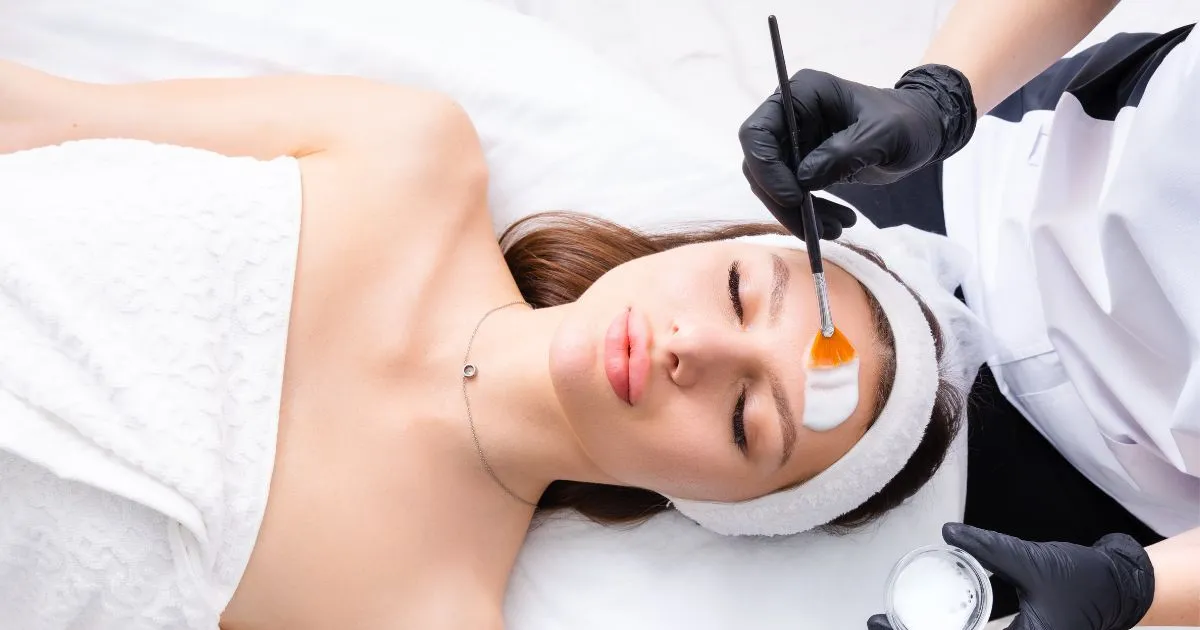
If it’s your first time receiving a medical-grade facial, you’ll notice that the appointment feels thoughtful and structured. The aesthetic professional evaluates your skin, discusses your concerns, and selects the right combination of exfoliation, serums, LED therapy, or other methods to match your goals.
Because everything is chosen based on your skin’s condition that day, results tend to feel more personalized. Many clients notice smoother texture, a more balanced glow, and improved hydration immediately after the session. For ongoing concerns like acne or pigmentation, progress often becomes more noticeable with consistent treatments.
You can also explore related services offered at Spruce Medical Aesthetics, such as chemical peels that further support skin renewal.
How Often Should You Schedule a Medical Grade Facial?
The frequency depends on your skin’s condition and long-term goals. Many people schedule treatments every 4 to 6 weeks, which helps maintain consistent cell turnover and collagen support. Those dealing with acne or pigmentation may benefit from starting with a series and then moving into maintenance once improvements begin to show.
If you’re unsure where to start, a consultation helps you choose the right plan based on your skin type and comfort level.
Ready for Better Skin? Here’s Your Next Step
If you’re tired of temporary fixes and ready for something that reaches deeper, medical-grade facials in Hershey, PA, offer a practical option. These treatments do more than refresh the surface. They support healthier skin beneath the top layer, which is why the improvements often last longer and feel more meaningful.
Spruce Medical Aesthetics offers professional guidance, a calm environment, and treatments performed by a skilled aesthetic professional who understands how to address concerns like acne, aging, dullness, and pigmentation. When you want results that help your skin look brighter, smoother, and more balanced, this is a great place to begin.
Book your facial today to start seeing the difference consistent, science-backed care can make.
To schedule your appointment or learn more about their medical-grade facial options, visit Spruce Medical Aesthetics or contact their team for personalized guidance.